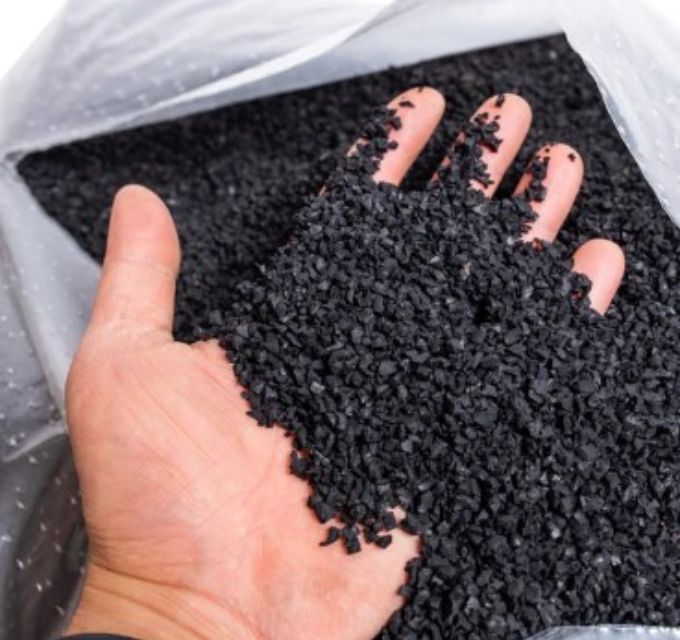
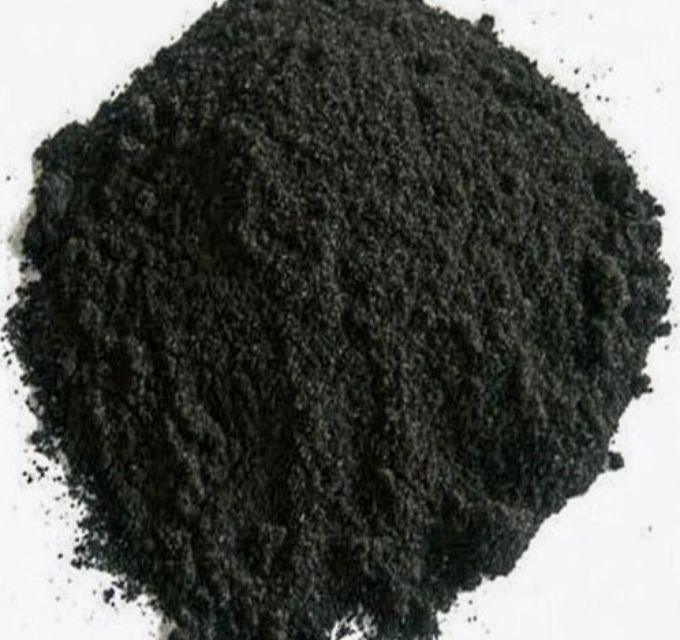
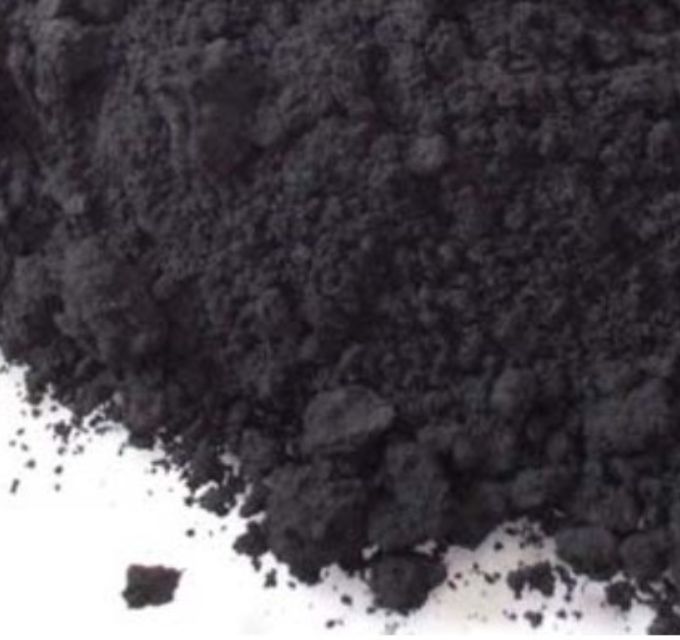
Tire rubber crumb, also known as crumb rubber, is a recycled material derived from end-of-life tires. It is produced by shredding and grinding used tires into small granules, typically ranging from coarse chunks to fine powder. This eco-friendly material plays a crucial role in sustainable waste management by reducing landfill waste and repurposing discarded tires into valuable products.
Crumb rubber has a wide range of applications across industries, including:
Rubberized Asphalt – Used in road construction to improve durability and noise reduction.
Sports Surfaces – Ideal for playgrounds, running tracks, and artificial turf infill.
Molded Rubber Products – Used in mats, flooring, and rubberized coatings.
Industrial Uses – Incorporated into adhesives, sealants, and even new tire manufacturing.
TIRE RUBBER DUST / POWDER
Tire rubber powder is a fine, recycled material produced by grinding end-of-life tires into micron-sized particles. It is an eco-friendly and cost-effective solution for reusing discarded tires while reducing environmental waste. Compared to crumb rubber, tire rubber powder is much finer, making it suitable for various industrial applications.
Tire rubber powder is widely used in multiple industries, including:
Rubberized Asphalt – Enhances road durability and skid resistance.
Rubber & Plastic Products – Used in shoe soles, hoses, gaskets, and mats.
Tire Manufacturing – Incorporated into new tire compounds to improve performance.
Coatings & Sealants – Applied in paints, adhesives, and waterproofing materials.
Automotive & Construction – Used in insulation, anti-vibration materials, and modified concrete.
The size of tire rubber powder typically ranges from 30 mesh to 300 mesh, depending on the grinding process and application. Here’s a breakdown of common sizes:
30–80 mesh (Coarse Powder) – Used in rubberized asphalt, playground surfaces, and some molded products.
80–200 mesh (Fine Powder) – Commonly used in adhesives, sealants, coatings, and shoe soles.
200–300 mesh (Ultra-Fine Powder) – Used in advanced applications like modified rubber compounds, tire manufacturing, and specialized industrial coatings.
TIRE-DELIVERD CARBON BLACK
Tire carbon black from pyrolysis differs from virgin carbon black (produced via furnace black or thermal black processes using fossil fuels) in several ways:
Composition: It’s primarily elemental carbon (often 70-90% by weight), but it contains impurities such as:
Ash (5-20%), from inorganic fillers like silica or zinc oxide used in tires.
Sulfur (1-3%), from the vulcanization process.
Residual hydrocarbons (unburned organic matter).
Particle Size and Structure: The carbon black retains some of its original nanoscale structure (spherical or aggregated particles), but pyrolysis can alter its surface area and porosity, often reducing its reinforcing properties compared to virgin carbon black.
Surface Chemistry: It may have a higher oxygen content or functional groups due to thermal degradation, affecting its interaction with other materials.